Welcome

Red Bucket Farm is an urban farm on a quarter acre property in an average residential neighborhood. We are located in Wisconsin, USDA Zone 5. We focus on chickens, bees, orchard fruit, and raised garden beds for fruits and veggies. We hope to reduce our footprint on the planet by growing some of our food, reducing our use of fossil fuels, and gardening with sustainable practices. Thanks for visiting!

Showing posts with label hops. Show all posts

Saturday, August 17, 2013

Hops Harvest


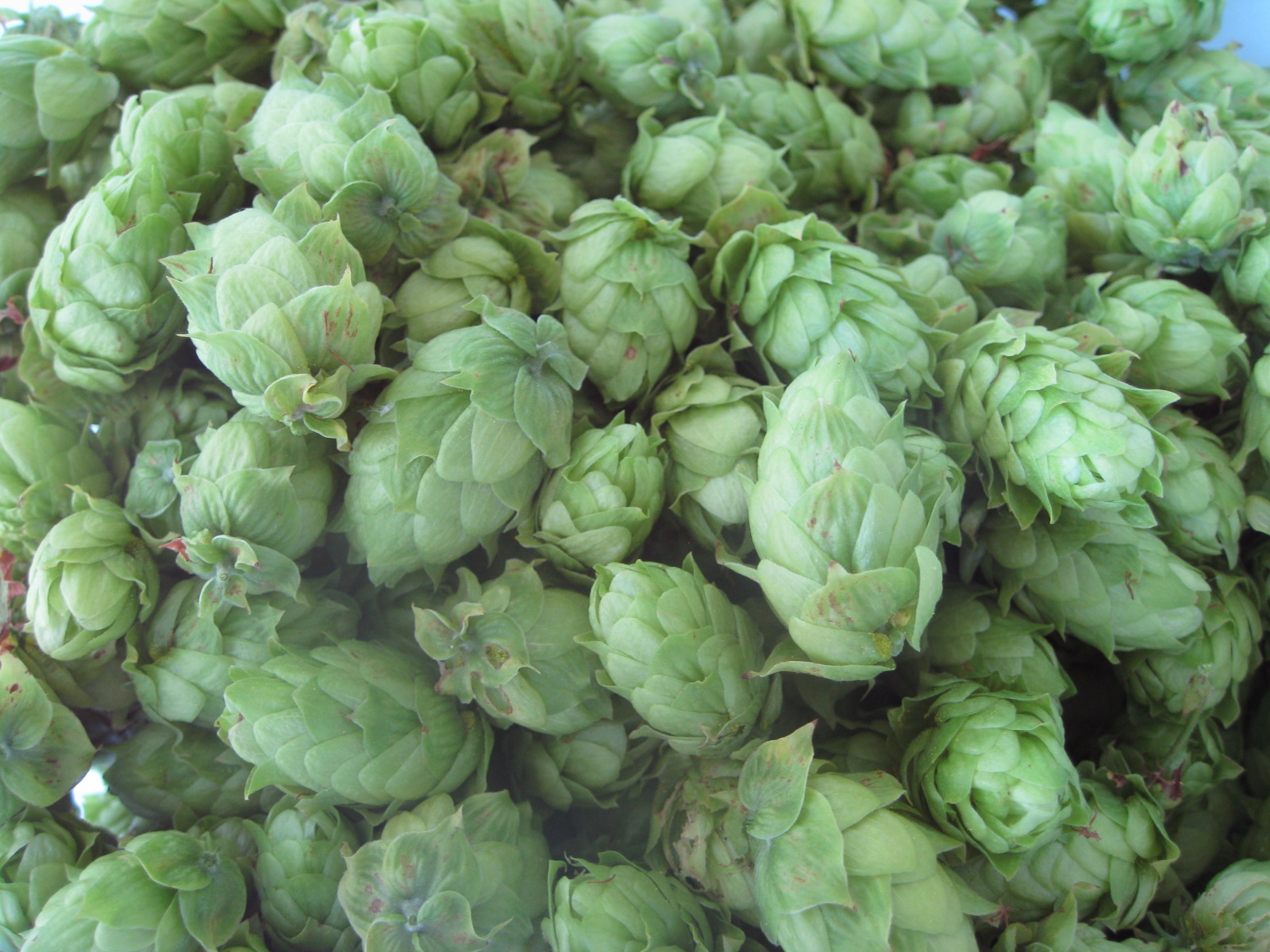
Harvesting hops is my favorite garden "chore." We sit on the patio drinking iced coffee and listening to good music while picking hops off the bine. It's relaxing and smells fabulous!


We grow three kinds of hops here at Red Bucket Farm---Cascade, Willamette and Nugget. Hops bines (not vines) twist around a taut twine on our 12' tall hops towers. This morning our resident brewer climbed the orchard ladder and cut down the twines and bines.


We harvested 12 ounces of Cascade hops and 2 ounces of Willamette. (The Nugget hops aren't quite ready for harvesting.) Although it doesn't seem like very much, the Cascade hops filled one bucket to the brim. It's more than enough for a batch of pale ale, which is in the works as I write this. We'll store a few ounces of the Cascade hops in the fridge for a week to serve as the "finishing" hops for the India pale ale. Any remaining hops will be dried and frozen for future use.


Monday, June 24, 2013

Orchard Ladder


This spring we invested in an orchard ladder. It was a safety measure---too often I have watched my husband teetering a the top of an eight foot step ladder with bricks or 2x4 lumber tucked precariously beneath one or two ladder legs in an effort to balance the thing. These were situations in which I would dial 9-1- and wait for disaster. Fortunately it never occurred, but when we discovered orchard ladders, this purchase quickly became a priority.

An orchard ladder is a tripod. The ladder side is wide at the bottom and narrows gradually to the top. The third leg hinges widely---perfect for working on a slope or hillside, and ideal for getting right into the middle of fruit trees without causing branch or fruit damage. (This week we're picking sour pie cherries and thinning peaches.) The ladder is also useful for managing our 12 foot tall hops towers. Working at the top of this ladder feels stable and safe.

Purchasing an orchard ladder takes a little determination. They are not readily available at hardware stores or  farm retailers. Our new 12 foot aluminum orchard ladder is made by Tallman. The local Tallman distributor operates a cherry orchard about 30 miles away and sells a few extra ladders out of his barn.

As our fruit trees continue to grow, we look forward to many years with our orchard ladder.

Monday, June 3, 2013

Coop Tour Fun

On Saturday, we volunteered as one of a dozen host sites for the Mad City Chicken Coop Tour. Visitors began arriving just after 9 am and continued in a steady stream all morning. Although the tour was scheduled to end at 1 pm, we chatted with guests until 2:00.


We met so many wonderful chicken enthusiasts, all of them curious and ready to learn. We shared our chicken-keeping philosophy---why we chose a walk-in style coop and elevated hen house, and the importance of hardware cloth over chicken wire. We talked about chicken breeds, egg color, heated water dishes, supplemental lighting, insulation, ventilation, winter protection, hawks and owls and coyotes. Oh, my! Many of our guests also asked about our top bar beehives, raised garden beds, hops towers, hillside terraces, home orchard and greenhouse.


In return, visitors were happy to share their own expertise with us. We learned that lemon balm is just as invasive as mint. One person shared a recipe for making skin balm from beeswax, almond oil and essential oil. Another new friend offered to share a bit of SCOBY (symbiotic colony of bacteria and yeast) or "mother culture" for making kombucha.

We estimate that our visitors numbered between 60 and 70. A few guests came from the neighborhood, others from across Madison, Middleton, McFarland, Stoughton, Columbus, Walworth County, Milwaukee and even northern Illinois. Several folks expressed frustration at their restrictive local ordinances.


The only problem with volunteering as a host is that we didn't get to visit other coops. We managed a quick after-hours peek at one other host site where we discovered a wonderful and creative adaptive reuse of a child's play house.

It was a fabulous (and exhausting) day. The weather was beautiful, the chickens showed well, and the people were supportive and fun. If you haven't experienced a coop tour, give it a try!

Tuesday, September 4, 2012

Harvesting Hops


Our curiosity in growing hops at Red Bucket Farm is new. We began brewing beer in late 2011, which led to an interest in growing hops this summer.

We started brewing by purchasing an equipment kit (ale pail, carboy, siphon, capping device, etc) and an ingredient kit (grains, malt, yeast, hops). By following the directions and paying attention to detail, it's not too difficult to make very drinkable beverages. Brewing beer from kits is similar to making brownies from a boxed mix. It's easy and fun, but eventually you might want to try a recipe of your own. Growing hops made sense to us and seemed like part of the brewing adventure.


Hops are a perennial vine that flower in the late summer. They can grow twenty feet tall in one season and need sturdy structure. Pictured in the photo above are two of our three hops towers just after planting in July. We established three varieties---Cascade, Willamette, and Nugget---each in their own raised bed with a 12 foot tower. As the vines grew, we encouraged the strongest to attach to twine and clipped out the weak vines. Hops grow best in full sunshine.


At the end of the summer, all three of our hops plants produced flowers from which beer gets its aroma, flavor and distinctive bitterness. We carefully cut down the twine supporting the vines and pulled the flowers gently off the vine.


The flowers were dried in a 120 degree oven and then weighed for use. Our resident brew master refrigerated the flowers overnight and cooked up a wort the next day. It's percolating in the basement now.

We're pleasantly surprised that the vines were productive in their first year of growth. The plants will die back to the ground over winter. Next summer should produce a much bigger crop as the vines become more established.


Hops also have antiseptic qualities. I read that they're good for chicken health, so perhaps we'll have enough to share with the flock next summer. Meanwhile, Al the Cat (above) is having a small taste. Cheers!